







Search Results for: Coffee Extraction Temperature
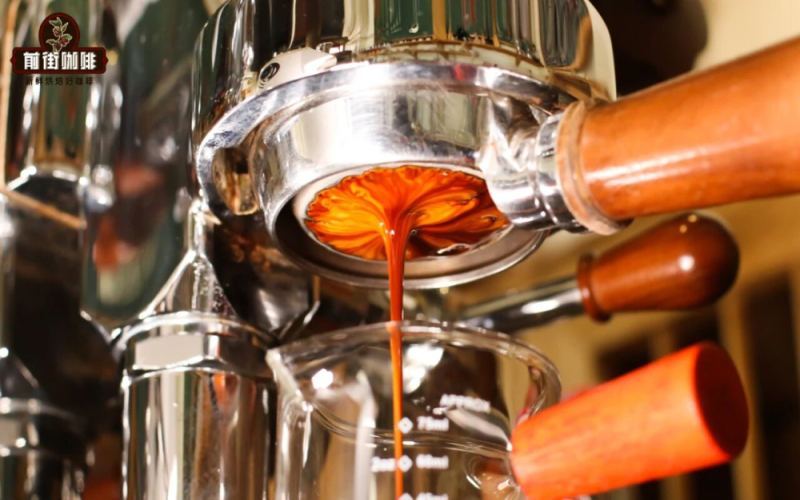
How Water Temperature Shapes Espresso Flavor, Flow Rate, and Extraction
In espresso extraction, grind size, dose, ratio, time, and pressure are often the focus of discussion, while water temperature is frequently overlooked. In fact, water temperature also has a decisive impact on aroma, flavor, and strength. This article will, from the perspective of Front Street, discuss the setting range of boiler water temperature, the effect of water temperature on flow rate, the difference between boiler temperature and extraction temperature, and why the higher the dose, the higher the preset water temperature needs to be. At the same time, combined with the views in Rao's "Espresso Extraction Science," it gives temperature recommendations for daily extraction and recommends Front Street Classic Espresso Blend coffee beans suitable for a rich, full-bodied taste. [more…]
How Should Espresso Extraction Water Temperature Be Set? A Full Analysis from Machine Settings to Actual Extraction Temperature
When extracting espresso, parameters like grind size, dose, ratio, time, and pressure are often discussed repeatedly, but water temperature is often overlooked. In fact, water temperature has a decisive influence on the flavor direction of espresso—too high brings burnt bitterness and woody notes, while too low makes the coffee sour and astringent with thin crema. Starting from Front Street's practice, this article systematically sorts out the reasonable range for coffee machine water temperature, how water temperature affects flow rate, the difference between boiler temperature and actual extraction temperature, and how to set water temperature under different dose ratios, helping you find that delicious temperature point in your daily shots. [more…]
Espresso Extraction | What Is the Ideal Water Temperature Setting for an Espresso Machine? Does Water Temperature Affect Espresso Extraction?
For more specialty coffee knowledge, please follow: Front Street Coffee (Frontsteet Coffee). In the past, when Front Street shared knowledge about espresso extraction, it focused on parameters such as grind size, dose, ratio, extraction time, and pressure, and also provided in-depth analysis of steps like receiving the grounds, distributing the grounds, and tamping. [more…]
How Does Extraction Water Temperature Influence Espresso Flavor? Analyzing the Ideal Espresso Temperature from Flow Rate Changes to Dose Differences
Many coffee enthusiasts, when discussing espresso extraction, tend to focus on grind size, dose, ratio, and pressure, yet overlook an equally critical variable—water temperature. In fact, water temperature not only influences the direction of coffee flavor but also alters extraction flow rate, and there can even be a temperature difference between the boiler temperature and the water temperature that actually contacts the coffee grounds. This article, from the perspective of Front Street Coffee, systematically examines the mechanism by which water temperature affects espresso extraction, analyzes the pros and cons of high and low temperatures, and, drawing on the hypothetical experiments in Rao's "The Extraction Science of Espresso," explains how to choose appropriate water temperature settings under different dose ratios. [more…]

How Does Water Temperature Affect Pour-Over Extraction? Brewing Temperature and Grind Recommendations for Ethiopian Huakui
When brewing the same coffee beans, why do some people use 88°C while others use 93°C or even higher? What role does water temperature actually play in extraction? Starting from everyday conversations at Front Street Coffee shops, this article systematically explains how water temperature affects coffee flavor, mouthfeel, extraction yield, and concentration, and, using floral-forward varieties such as the Ethiopian Huakui, explains how to highlight floral aromas by lowering water temperature, and how to compensate for extraction efficiency with parameters such as grind size and time, helping coffee enthusiasts find a brewing approach that suits them. [more…]
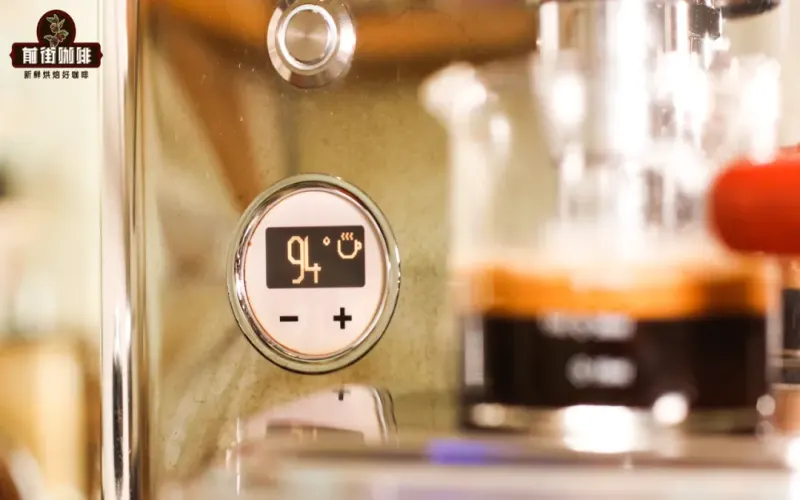
What Temperature Should You Set for Espresso Extraction? Analyzing the Impact of Water Temperature on Flow Rate, Crema, and Flavor
When pulling espresso, what temperature should the water actually be set to? Starting from Front Street's hands-on experience, this article systematically sorts out the specific effects of water temperature on extraction efficiency, the flow rate of the coffee liquid, and the richness of the crema, and combines the differences in dose and ratio between espresso and Americano to explain why the preferred water temperature ranges for the two are not the same. The article also introduces a practical approach: fix the water temperature within a reasonable range, and instead adapt by adjusting the grind and liquid weight, so as to quickly and stably extract a delicious espresso. In addition, the article also gives specific explanations on the deviation between boiler water temperature and actual extraction water temperature, as well as how to respond when the interval between extractions is too long. [more…]

How Does Water Temperature Affect Flavor in Pour-Over Coffee? Extraction Experiments and a Temperature Selection Guide from 80°C to 96°C
Water temperature is an extremely critical part of pour-over coffee extraction. It not only determines the degree to which coffee compounds are dissolved, but also directly influences the final flavor direction. Through a comparative experiment at Front Street Coffee using the washed beans of the Yirgacheffe Guddina Cooperative, this article brews at five water temperatures—80°C, 86°C, 90°C, 93°C, and 96°C—observing the changes in acidity, sweetness, tea-like character, and astringency, and offers practical advice on choosing water temperature according to roast level. At the same time, starting from the lignocellulose structure of coffee beans and the structure of soluble aroma molecules, it explains why different water temperatures bring about completely different flavor layers, helping you avoid over-extraction bitterness or under-extraction blandness in your daily brewing. [more…]
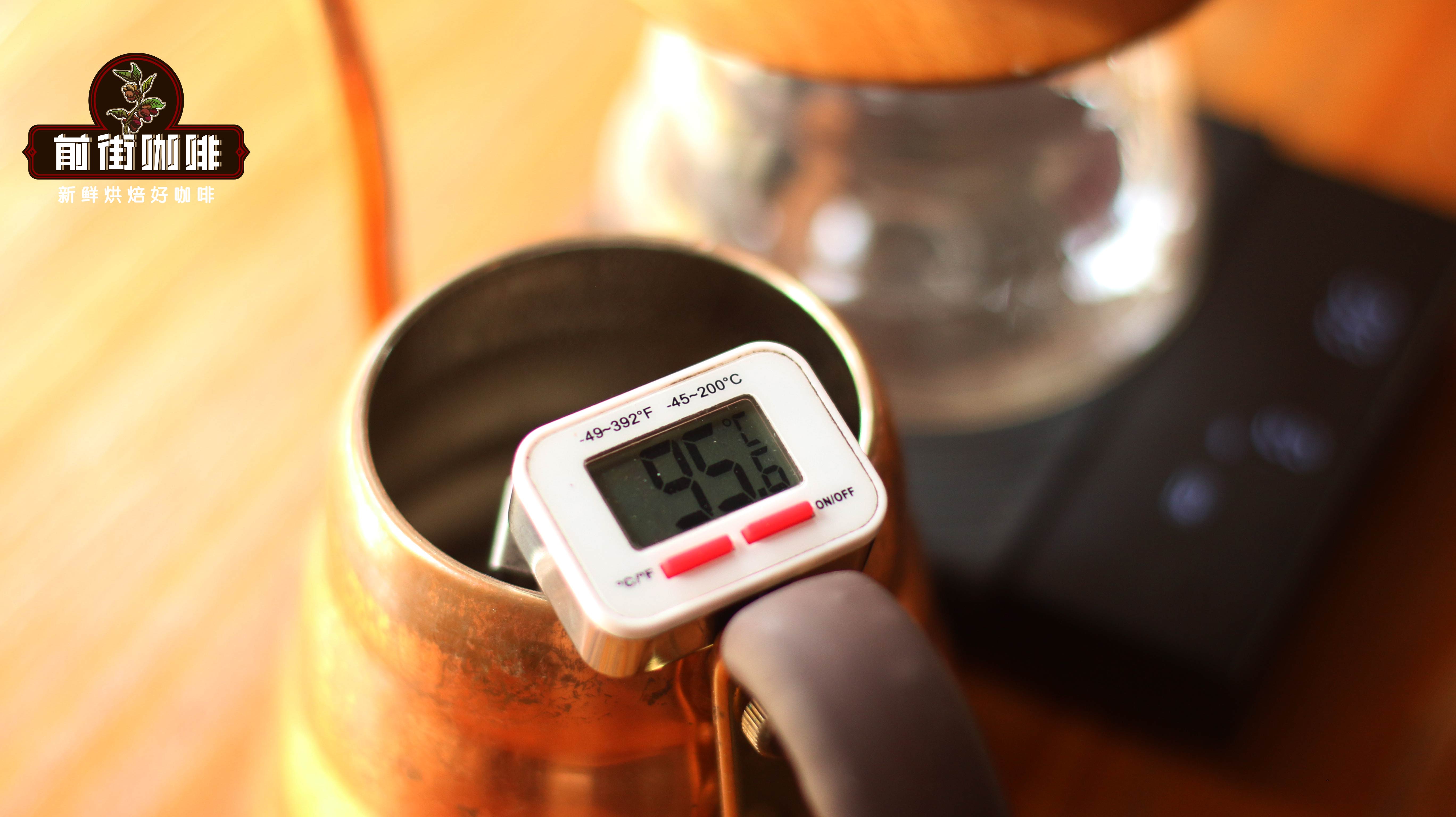
What temperature should you actually use for pour-over coffee? An analysis of the relationship between brewing temperature and actual extraction temperature
What temperature range should be used for pour-over coffee water? The mainstream recommendation is 86°C to 93°C—use higher temperatures for light roasts and lower them appropriately for dark roasts. But did you know that the initial water temperature in the pouring kettle is not the same as the actual extraction temperature the coffee grounds come into contact with? Through a set of temperature-measurement experiments, Front Street Coffee found that when brewing with an initial temperature of 90°C, the actual extraction temperature in the coffee bed is only between 84.5-86°C. Starting from actual test data, this article will analyze the relationship between water temperature and extraction, and share a practical tip for changing the extraction temperature by adjusting the pouring height, helping you control the brewing flavor more precisely. [more…]
Too Many Fines in Pour-Over Causing Bitterness? Try the Low-Temperature Bloom Method to Lower Extraction Yield
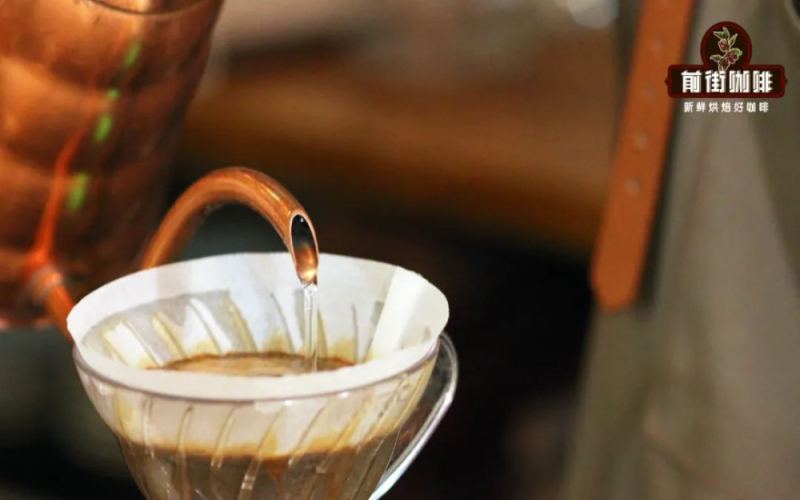
In pour-over coffee, over-extraction is one of the main causes of bitterness, and the excessive fines produced by underperforming grinders often exacerbate this problem. Front Street Coffee has previously introduced the stepped temperature-decline extraction method to reduce the extraction rate in the middle and latter stages, and this time we'll share using low-temperature water for the blooming stage. Emi, the 2018 WBrC champion, once adopted a low-temperature blooming strategy, using a valve dripper to alternate immersion and drip extraction, with the aim of gently extracting sweetness and avoiding a dry finish. Front Street tested with Ethiopian Hualigui beans, which had a fines rate of 14% when ground with a hand grinder, and produced a lingering dry bitterness after conventional brewing. By adjusting the blooming water temperature to 83°C, extending the blooming time to 35 seconds, and then raising the water temperature to 93°C for subsequent pours, the result was a balanced flavor with rich berry-like sweetness and acidity, a noticeable tea-like aftertaste, and no bitterness. If you've also struggled with over-extraction, you might want to consider this approach. [more…]
How Does Water Temperature in Pour-Over Coffee Affect Extraction Flavor? A Comparative Experiment and Selection Guide from 80°C to 96°C
Among the many variables in pour-over coffee, water temperature has a particularly direct impact on the extraction result. It not only determines the speed and sequence with which flavor compounds are released from the coffee, but also ultimately shapes the acidity, sweetness, bitterness, and body of a cup of coffee. In this article, through comparative experiments conducted by Front Street Coffee using washed Yirgacheffe beans, five water temperature groups of 80°C, 86°C, 90°C, 93°C, and 96°C were used for brewing, recording the flavor differences and analyzing the relationship between water temperature and extraction yield and concentration. At the same time, the article also provides the recommended water temperature ranges for light-roasted and dark-roasted coffee beans in daily brewing, helping coffee enthusiasts make more suitable choices for different beans. [more…]
How Should You Set the Water Temperature for Pour-Over Coffee? An Analysis of the Relationship Between Brewing Temperature and the Actual Extraction Temperature in the Coffee Bed
What temperature should the water be for pour-over coffee? Mainstream recommendations fall between 86°C and 93°C; lightly roasted beans suit higher temperatures, while darkly roasted beans suit lower ones. But the water temperature in the brewing kettle and the actual extraction temperature that comes into contact with the coffee grounds are not the same thing. Through measured data, this article shows how the temperature inside the coffee bed changes starting from initial temperatures of 90°C and 93°C, and how raising the pouring height affects the actual extraction temperature. At the same time, drawing on Front Street Coffee's brewing parameters for beans of different roast levels, it helps coffee enthusiasts understand and apply water temperature more accurately in their daily brewing. [more…]
Cold brew coffee: room temperature water or warm water? Explaining why low-temperature extraction produces less acidity and a practical guide to fast extraction with warm water
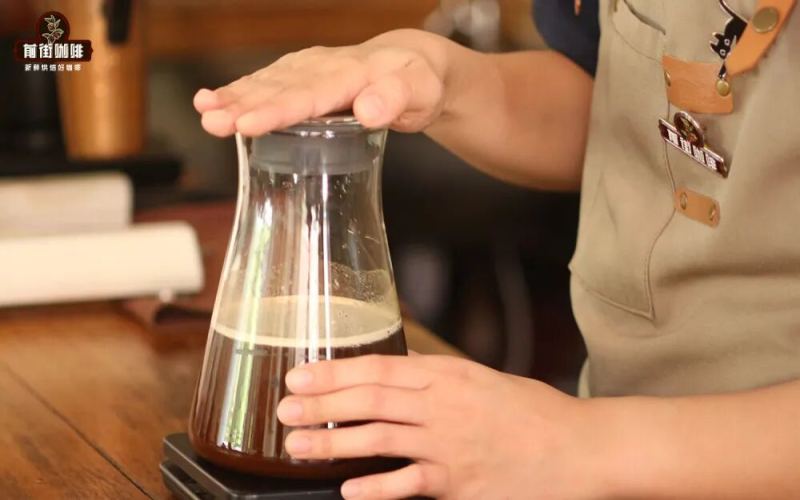
Cold brew coffee has always been known for its long, low-temperature steeping, often requiring 5 to 24 hours when made with room-temperature water. To shorten the wait, some people have tried steeping coffee grounds in warm water. This article explores the differences between cold-water and warm-water extraction, the reasons why cold brew has lower acidity, and a warm-water cold brew comparison test using Front Street Coffee's Elida Catuai. It records the sensory differences between 3 hours in 45℃ warm water and 7 hours in room-temperature water, and offers bean selection advice and practical tips for warm-water cold brew. [more…]
Coffee Water Temperature | What Does Your Coffee Machine's Water Temperature Affect? What Water Temperature Should Be Used to Brew a Delicious Espresso?
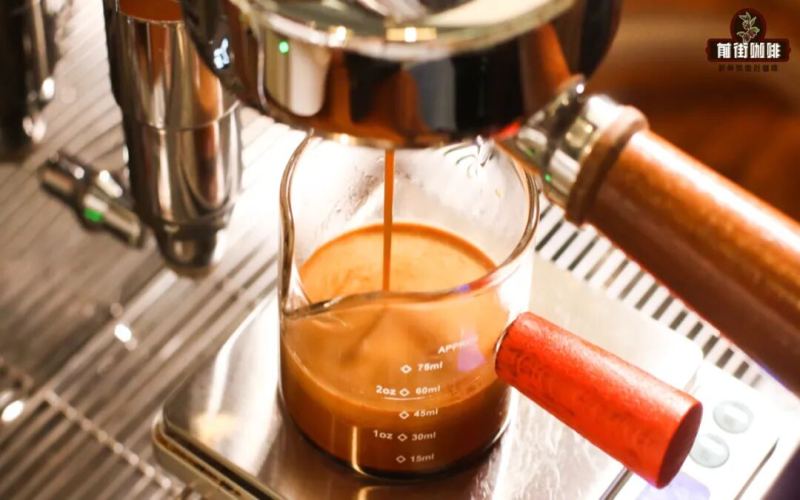
Previously, when Front Street shared knowledge related to espresso extraction, it would focus on the effects of parameters such as dose, ratio, grind, time, and pressure on extraction. In addition, it also emphasized analyzing the key operational points in steps such as receiving the grounds, distributing the grounds, tamping, and locking the portafilter into place. Only water temperature was something Front Street always [more…]
What Is the Ideal Water Temperature for Pour-Over Coffee? An Analysis of the Difference Between Brewing Water Temperature and Actual Extraction Temperature
When brewing pour-over coffee, what temperature should the water actually be set to? Mainstream recommendations fall between 86°C and 93°C—light roasts suit higher temperatures, while dark roasts are better with lower water temperatures. However, the initial water temperature in the pour-over kettle does not equal the actual extraction temperature when it contacts the coffee grounds. Through actual testing, Front Street found that when the water temperature in the kettle is 90°C, the temperature participating in extraction within the coffee bed only remains around 84.5-86°C, with a clear gap between the two. This temperature difference mainly comes from the coffee grounds absorbing heat, the dripper absorbing warmth, and the water flow losing heat as it is exposed to air. As long as you deliberately raise the height of the water stream during the pouring stage, you can accelerate the temperature drop, bringing the effect of a 93°C initial water temperature close to 90°C during extraction. Understanding the relationship between the set parameter temperature and the actual extraction temperature helps you adjust flexibly in daily brewing and consistently present your ideal flavor. [more…]
Why Extract Coffee at Different Temperatures? Analyzing Three-Temperature Variable-Temperature Brewing and Pour-Over Water Temperature Selection
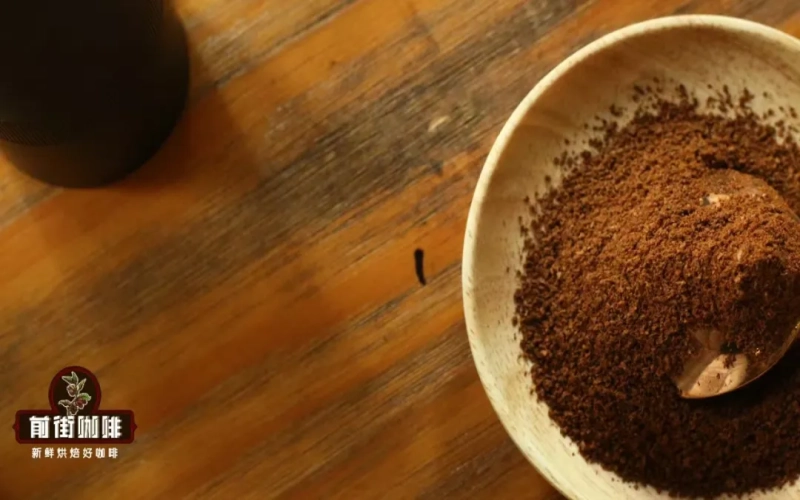
In pour-over coffee, when extraction parameters are too high, it is usually possible to dial them back, but if over-extraction is caused by too many fines from the grinder, adjusting parameters alone is often not enough to solve the problem. In this case, sifting out the fines or adopting variable-temperature brewing are both response options recognized by Front Street Coffee. This article will focus on variable-temperature brewing: it is not a minor adjustment of 2~3°C, but rather segmented extraction with a larger temperature differential, controlling the dissolution rhythm of flavor compounds through high-temperature fast extraction and low-temperature slow release. The article will trace the origins of this method, analyze the championship cases of Wu Zelin and Emi, explain how to use cold water to regulate temperature and achieve a variable-temperature operation that starts high and ends low, and share in detail the practical process of the "Devil Brewing Method" by Tetsu Kasuya, which Front Street Coffee favors. [more…]
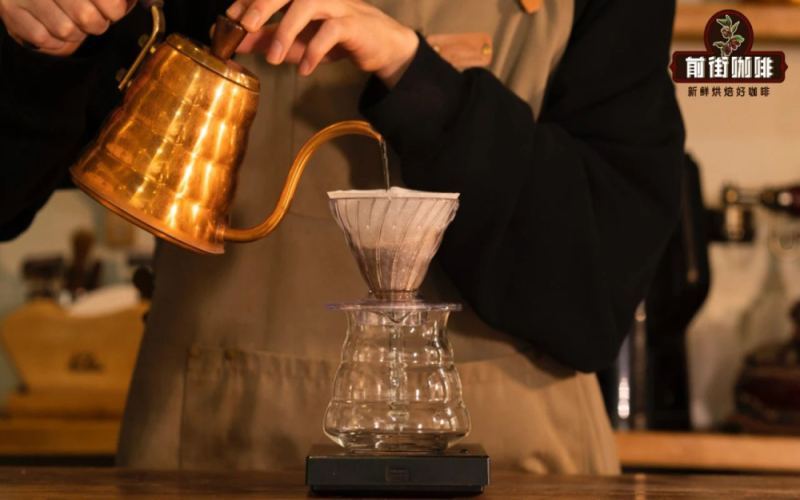
Ice Drip vs. Iced Pour-Over Coffee: A Flavor Comparison of Low-Temperature Slow Extraction and High-Temperature Fast Extraction
Ice drip coffee and iced pour-over coffee are often mentioned together, but the two differ significantly in extraction principles, flavor expression, and brewing process. Ice drip is a low-temperature slow extraction, while iced pour-over is a high-temperature fast extraction followed by cooling. Temperature greatly affects the breakdown rate of oils, acids, and sugars in coffee, thereby shaping distinctly different aromas, mouthfeels, and layers. From the perspective of Front Street Coffee, this article systematically sorts out the respective characteristics of high-temperature extraction and low-temperature extraction, and, using Honduras Sherry coffee beans as an example, records in detail the brewing parameters and flavor comparison of ice drip and iced pour-over, helping coffee enthusiasts more clearly understand the essential differences between the two kinds of iced coffee. [more…]
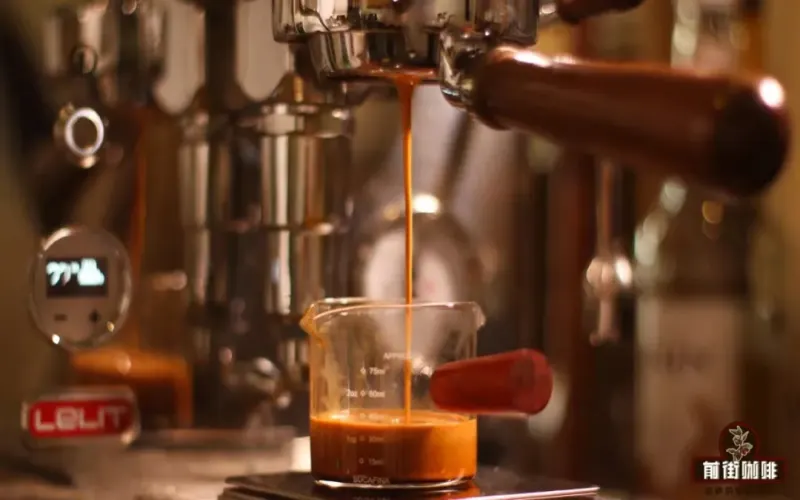
How does water temperature influence coffee extraction efficiency and crema formation? Can it also change espresso flow rate?
Water temperature is a key variable in coffee extraction, as it directly determines the dissolution rate of flavor compounds. In pressurized espresso extraction, the role of water temperature goes far beyond simply affecting the extraction yield—it also alters the release rhythm of carbon dioxide, thereby influencing the thickness and texture of the crema, and even affecting the flow rate of the coffee liquid. Front Street Coffee once mentioned in an analysis of crema hardening that when extraction efficiency is too high, carbon dioxide surges out in a concentrated burst, making the crema layer thicker, and water temperature is one of the factors driving this change. Starting from Front Street Coffee's observations, this article sorts out the interconnected relationships between water temperature and extraction efficiency, crema formation, and flow rate, to help you control the variable of water temperature more precisely in your daily brewing. [more…]
Hand-brewed coffee variable-temperature brewing method: How different water temperatures affect flavor layers and extraction results
In the world of pour-over coffee, water temperature has never been a fixed parameter. At world-class brewing competitions, many competitors use variable-temperature brewing, precisely steering the flavor direction of the coffee by using different water temperatures at different stages. Front Street Coffee conducted a set of comparative experiments using the same Panama Elida Typica beans, brewing them with three approaches: constant temperature, high temperature in the early stage followed by a temperature drop in the later stage, and low temperature for blooming followed by high temperature in the later stage and then a temperature drop. They measured concentration and evaluated the flavor. The results showed that variable-temperature brewing can significantly change the acidity, sweetness, and aftertaste of the coffee. This article will walk you through the operating techniques, experimental data, and flavor differences of variable-temperature brewing, helping you control your pour-over parameters more flexibly. [more…]
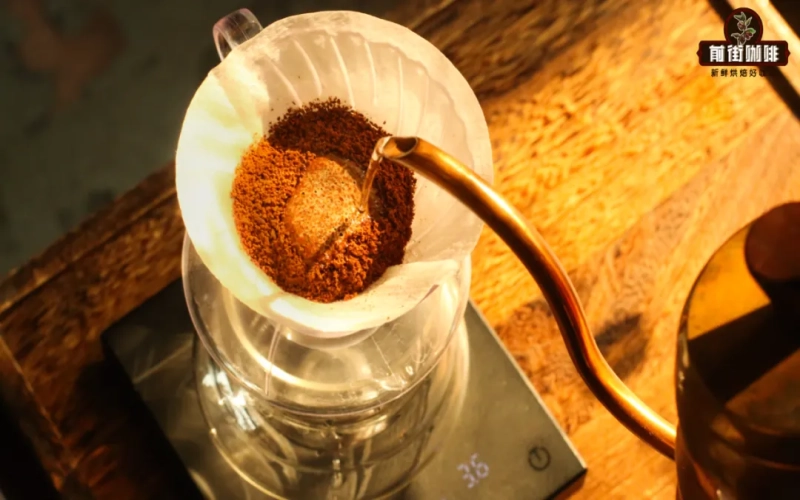
What Temperature Should You Use for Pour-Over Coffee? A Full Analysis from Extraction Principles to Front Street Coffee's Practical Parameters
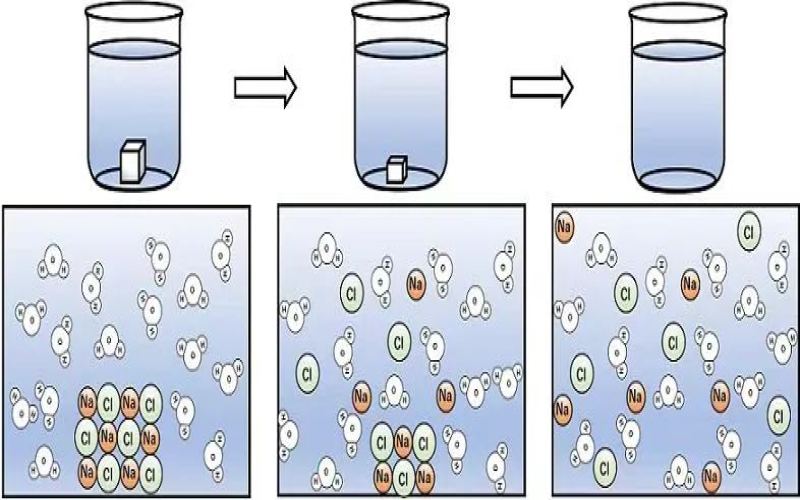
What temperature should the water actually be when brewing coffee? Why do competition baristas use 94°C or even higher, while everyday recommendations fall between 86°C and 93°C? This article starts with the relationship between the thermal motion of water molecules and dissolution rate, using an everyday analogy of dissolving a drink mix to explain how water temperature determines coffee extraction efficiency. Drawing on hands-on testing experience with dozens of bean varieties, Front Street Coffee sets separate water temperature ranges for dark roasts and light roasts, and fixes parameters such as grind size, time, and coffee-to-water ratio, helping you find the brewing temperature best suited to your current beans at home. The article also specifically reminds readers about the difference between the water temperature in the kettle and the temperature when it contacts the coffee bed, as well as how pouring height affects temperature loss. [more…]
Pour-Over Coffee Brewing Temperature | What Is the Best Water Temperature for Brewing Pour-Over Coffee? Does Brewing Water Temperature Have a Big Impact on Coffee Flavor and Mouthfeel?
For pour-over coffee, most people tend to use higher water temperatures for extraction, because high temperatures not only improve extraction efficiency but, more importantly, bring out a rich, sweet-and-sour aroma and flavor. Basically, the water temperature used for pour-over coffee is rarely below 80°C. So, if you brew coffee below this temperature, is there any [more…]